Short Term Rental Business License in Nevada: Everything You Need to Know (2025 Guide)
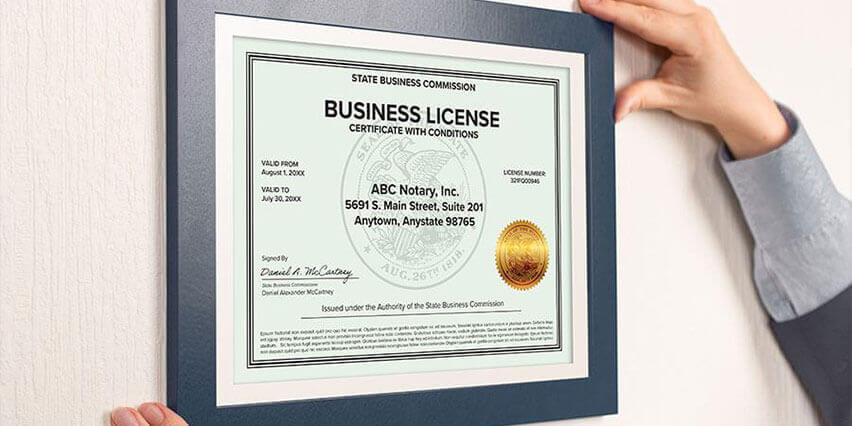
Operating a short term rental in Nevada—whether through Airbnb, VRBO, or direct bookings—requires more than just listing your property online. Nevada has specific business licensing, local permitting, and tax requirements that short term rental owners must follow to stay compliant.
This guide explains exactly what licenses you need, how requirements differ by city, and what happens if you operate without proper approval.
What Is a Short Term Rental Business License?
A short term rental (STR) business license is a legal authorization that allows you to operate a rental property for stays typically under 30 days. In Nevada, this usually involves:
A State of Nevada Business License
A local city or county short term rental permit
Additional registrations for tax collection and compliance
Short term rentals are treated as business activity, even if you only rent out one property or a single room.
Do You Need a Business License for a Short Term Rental in Nevada?
Yes. Nevada requires all short term rental operators to hold a state business license, regardless of size or income.
In addition to the state license, most cities and counties require:
A local short term rental permit
Zoning approval
Safety inspections
Proof of insurance
Registration for transient lodging taxes
Operating without these approvals can result in fines, penalties, or forced shutdowns.
Nevada State Business License Requirements
All short term rental owners must register with the Nevada Secretary of State.
Required at the State Level:
Nevada State Business License
Business registration (LLC, Corporation, or Sole Proprietor)
Annual renewal (typically $200/year)
This license applies whether:
You live in Nevada or out of state
You self-manage or use a property manager
You operate one property or multiple units
City and County Short Term Rental Licensing in Nevada
Local governments control where and how short term rentals can operate. Requirements vary significantly.
Common Local Requirements:
STR permit or certificate
Zoning compliance
Primary residence restrictions (in some cities)
Parking requirements
Neighbor notification
Safety inspections (fire, building, health)
Proof of liability insurance
Cities with Strict STR Rules:
Las Vegas
Clark County
Henderson
Reno
North Las Vegas
Some areas allow STRs only in specific zones, while others limit the number of permits issued annually.
Nevada Short Term Rental Taxes and Registrations
Short term rental operators must also register for and collect applicable taxes.
Common Taxes Include:
Transient Lodging Tax
Sales and Use Tax
Local tourism or convention taxes
Even if Airbnb or VRBO collects taxes on your behalf, you may still be responsible for registration and reporting.
Can You Run an Airbnb in Nevada Without a License?
No. Operating a short term rental without proper licensing is considered illegal business activity.
Possible Consequences:
Fines ranging from hundreds to thousands of dollars
Permit denial or revocation
Platform delisting
Legal action from the city or county
Inability to defend yourself in disputes or insurance claims
Many Nevada municipalities actively monitor STR listings and cross-reference them with licensing databases.
Do You Need an LLC for a Short Term Rental in Nevada?
An LLC is not legally required, but it is strongly recommended.
Benefits of an LLC:
Personal liability protection
Easier tax reporting
Professional credibility
Cleaner separation between personal and rental income
Many cities require the business name on your STR permit to match your registered entity.
How Long Does It Take to Get Licensed in Nevada?
Timelines vary by jurisdiction.
Typical Timeframes:
Nevada State Business License: 1–3 business days
Local STR Permit: 2–12 weeks
Inspections and approvals: Varies by city
Delays are common if applications are incomplete or zoning issues arise.
Common Reasons Short Term Rental Applications Get Denied
Property located in a prohibited zone
Missing state business license
Incomplete tax registration
Failure to meet parking or occupancy rules
HOA or CC&R restrictions
False or inconsistent application information
Denials are often permanent unless corrected properly.
How Silent G Consulting Helps Nevada STR Owners
Silent G Consulting works with Nevada-based property owners to navigate licensing, compliance, and regulatory riskquietly and correctly.
We Assist With:
Business license setup
STR permit applications
Local compliance review
Risk mitigation strategies
Multi-property structuring
Ongoing compliance guidance
Our approach prioritizes discretion, accuracy, and long-term stability.
Final Thoughts
Short term rentals in Nevada can be profitable—but only when operated legally. Licensing rules continue to tighten, and enforcement is increasing across the state.
If you’re unsure whether your property qualifies, or if your paperwork is complete, it’s far easier to fix issues before fines or shutdowns occur.